
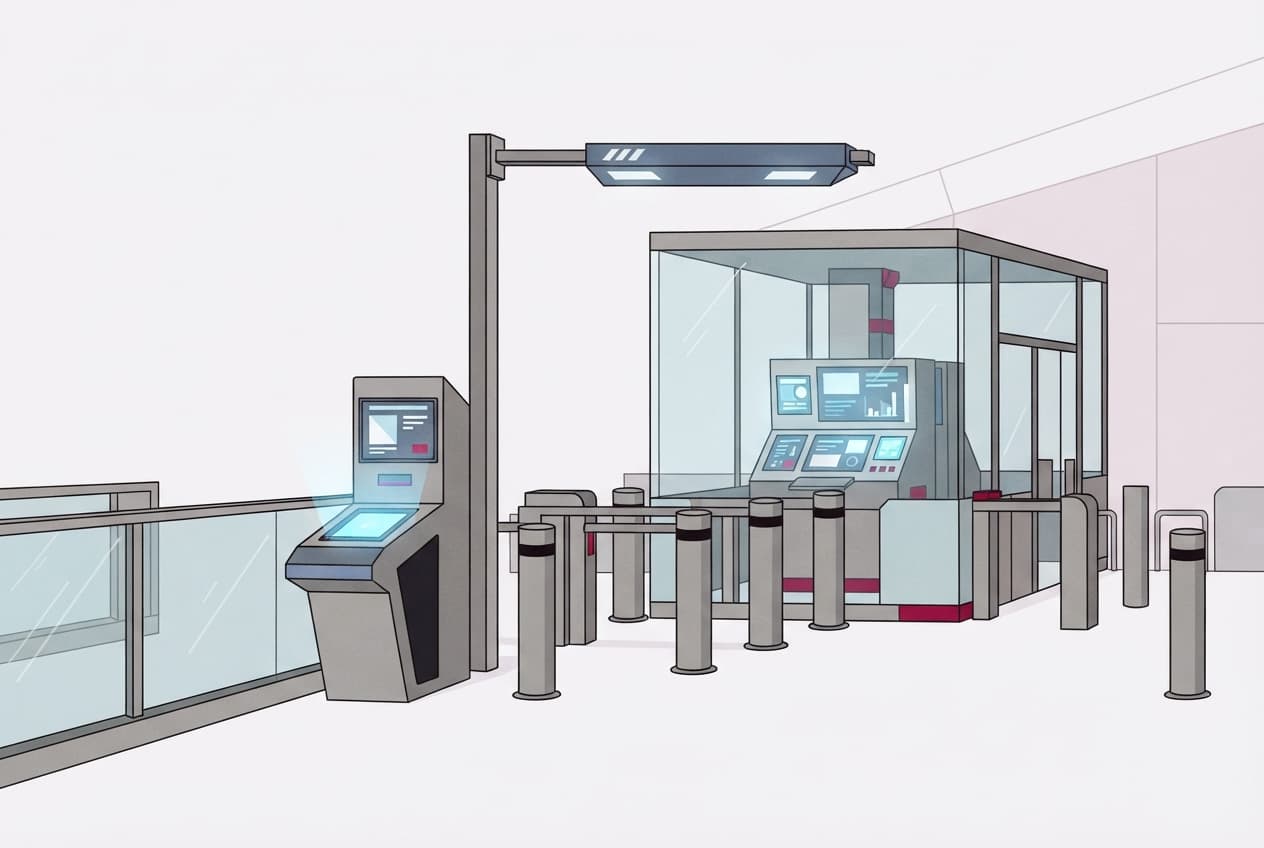
To utilize the "joint clearance" system, both Hong Kong and mainland Chinese residents must register with immigration authorities on both sides. Hong Kong residents can register via various methods, including traveling to the mainland via other checkpoints or registering at the existing Huanggang checkpoint before its closure. Those unable to use the automated channels can still opt for staffed counters.
Travelers arriving at the new port can only use authorized public transport services, including buses, minibuses, and taxis, to reach a public transport interchange. Cross-boundary coach services also serve the revamped facility, with passengers required to alight for immigration clearance.
The "joint clearance" model utilizes 134 e-channel machines, each with three gates, and 68 staffed counters. Authorities estimate this system will reduce clearance times from 30 minutes to approximately five minutes. Residents holding valid home return permits can use either that document or their Hong Kong identity card for the joint clearance process, though carrying both is advised.
Private car drivers eligible for cross-border travel can use a "joint one-stop" vehicle lane. This process involves passing through a customs kiosk and an integrated information collection device that gathers identity and biometric data for authorities on both sides. Drivers with permits for other checkpoints may have restrictions on when they can use the new Huanggang Port.
Future plans include connecting the revamped crossing to a high-speed intercity railway linking Shenzhen, Guangzhou, and Dongguan. In Hong Kong, returning travelers will find an arrival hall on level four, with public transport options available on level two. Only taxis from five premium fleets are permitted to take bookings inside the building, with other ride-hailing services unavailable within the boundary control area.